The thesis defense is the final hurdle that students must overcome before earning their degree. After months or even years of conducting research, collecting data, analyzing results, and writing the manuscript, students are expected to present and defend their work before a panel of examiners. While this may seem intimidating, the thesis defense is not designed to make students fail. Instead, it is an opportunity to demonstrate your understanding of your research, explain the decisions you made throughout the study, and show that your conclusions are supported by evidence.
For many students, the defense is the most nerve-racking part of college. Public speaking, answering unexpected questions, and presenting in front of professors can create anxiety even among well-prepared students. Fortunately, confidence comes with preparation. By understanding what to expect and practicing ahead of time, you can significantly reduce stress and increase your chances of a successful defense. The following tips will help you prepare effectively and perform at your best.
Thesis Defense Tips
Your thesis is your opportunity to share your original research with the academic community. It reflects your ability to identify a research problem, conduct a systematic investigation, analyze data, and draw meaningful conclusions. During the defense, your panel is not only evaluating the quality of your research but also your understanding of every aspect of your study. Proper preparation allows you to communicate your ideas clearly and respond confidently to questions. Here are several practical tips that can help you excel during your thesis defense.
1. Arrive Early
Arrive early for your thesis defense and be well-prepared. When you arrive early, you have more time to relax and get ready for your defense. This also gives you a chance to talk to your committee members one-on-one and ask any questions you may have. Arriving early also shows your professors that you are taking the defense seriously and are committed to doing well.
Be sure to familiarize yourself with the room where your defense will take place and any equipment you’ll need to use.
Besides arriving early, use the extra time to set up your laptop, test your presentation, and make sure that your slides display correctly on the projector. Check whether your videos, animations, and hyperlinks work properly. Technical problems can interrupt the flow of your presentation and increase your anxiety. Arriving at least 30 to 60 minutes before your scheduled defense also gives you enough time to organize your thoughts and mentally prepare yourself.
2. Arrive Prepared:
It’s important to arrive prepared for your thesis defense. This means having your slides and materials ready and knowing your topic inside and out. Familiarize yourself with your committee members. Make sure you know their names and research interests. You should also be familiar with the questions that your committee is likely to ask. Being well-prepared will help you feel confident and in control during your defense. It’s important to arrive prepared for your thesis defense. This means having your slides and materials ready and knowing your topic inside and out.

Bring printed copies of your thesis, presentation slides, notes, and any supporting materials that may help answer questions from the panel. It is also advisable to have a backup copy of your presentation saved on a USB flash drive, cloud storage, and your email. Technical failures happen unexpectedly, and having multiple backups can prevent unnecessary stress on the day of your defense.
3. Know your Audience
Before your thesis defense, it’s important to know your audience and what they want to hear from you. Try to anticipate any questions they might have, and be prepared to answer them thoroughly. You should also be familiar with the format of your defense, so you can present your arguments in a clear and concise way. Finally, relax and enjoy the experience – you’ve worked hard to get this far!
Each panel member may have a different area of expertise. One professor may focus on your research methodology, while another may pay closer attention to your statistical analysis or literature review. If possible, learn about the academic background and specialization of your panel members beforehand. This will help you anticipate the types of questions they are most likely to ask and allow you to prepare more effective answers.
4. Know Your Material
The most important thing to remember when defending your thesis is to know your material inside and out. Make sure that you can answer any question about your research, from the basics to the most complex details. Be prepared for tough questions. Committee members will probe into your work in order to gauge its quality and feasibility. Be prepared to defend your findings against criticism. Stay calm and confident. Remember, you know more about your research than anyone else in the room! Project confidence and authority when explaining your findings.
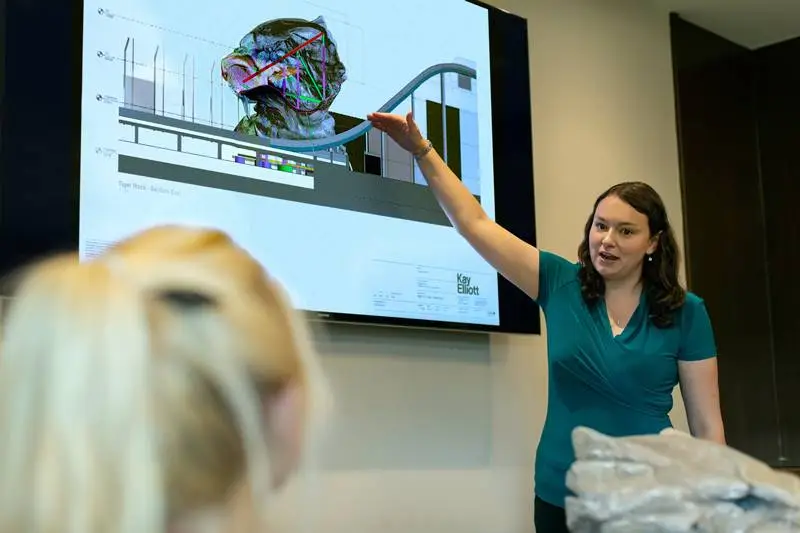
Many students memorize their presentation but struggle when the panel asks questions outside their prepared script. Instead of memorizing every word, focus on fully understanding your research. Be prepared to explain why you selected your research topic, why you chose a particular methodology, how you analyzed your data, what limitations your study encountered, and how your findings contribute to existing knowledge. A deep understanding of your research will allow you to answer questions naturally and confidently.
5. Practice, Practice, Practice
It’s a known fact that in order to be good at something, you need to practice. This is especially true when it comes to defending your thesis. Here are some tips to help you practice and prepare for your defense:
- Start by rehearsing your presentation out loud. This will help you get comfortable with the material and ensure that your timing is correct.
- Next, try practicing in front of a friend or family member. They can give you feedback on how well you’re doing and offer suggestions for improvement.
- Finally, take the time to answer any questions that you may have about your thesis defense. This will help reduce any anxiety you may feel about the process.
Time yourself while practicing so that your presentation stays within the allotted time. Record yourself using your phone or computer and watch the recording afterward. This allows you to identify distracting habits such as speaking too quickly, avoiding eye contact, reading directly from your slides, or using filler words like “um” and “uh.” The more you rehearse, the more comfortable and confident you will become.
6. Be Confident
It’s normal to feel a little nervous before your thesis defense, but try to stay confident. Remember that you’ve worked hard and know your topic inside out. Prepare a draft of your thesis defense presentation. This will help you stay calm and organized on the day of your defense. The defense is your chance to show off your knowledge and defend your thesis. Relax and enjoy it!
Confidence does not mean pretending to know everything. If you receive a question that you do not fully understand, politely ask the panel member to repeat or clarify the question. If you genuinely do not know the answer, admit it honestly instead of guessing. You can explain how you would approach the issue or recommend it as an area for future research. Examiners appreciate honesty and critical thinking more than overconfidence.
7. Dress Professionally
When you walk into a room, what is the first thing people see? Most likely, it’s your clothing. That’s why it’s important to dress professionally for your thesis defense. When you dress professionally, you exude confidence and competence. You want to look your best and project a confident image. Dress in a way that makes you feel comfortable and confident.

Your appearance contributes to the first impression you make on the panel. Wear clean, neat, and comfortable business attire appropriate for an academic presentation. Avoid overly casual clothing, distracting accessories, or anything that may make you uncomfortable while presenting. Dressing professionally not only demonstrates respect for the occasion but can also boost your self-confidence.
8. Stay Calm and Focused
Giving a thesis defense can be nerve-wracking, but it’s important to stay calm and focused. Nervousness can be contagious, so try to project a sense of confidence. Take deep breaths and relax before going into the room. This will help calm your nerves and allow you to focus on your presentation.
It is perfectly normal to feel nervous before your defense. Even experienced professors become anxious before important presentations. If you begin to feel overwhelmed, pause briefly, take a slow breath, and continue speaking. During the question-and-answer portion, listen carefully to the entire question before answering. Do not interrupt the examiner or rush your response. Taking a few seconds to organize your thoughts often leads to clearer and more accurate answers.
9. Thank the Committee
Express your gratitude to the committee members for taking the time and making the effort to attend your thesis defense. You have to show gratitude for all of their input and support during the entirety of this procedure.
Your thesis panel invests considerable time reading your manuscript, evaluating your work, and providing constructive feedback. Regardless of how difficult the questions may seem, always remain respectful and professional throughout the defense. Thank the panel for their comments and recommendations, as these suggestions are intended to improve the quality of your research before its final submission.
Conclusion
A thesis defense is more than just a graduation requirement. It is an opportunity to demonstrate the knowledge, critical thinking skills, and research abilities you have developed throughout your academic journey. While feeling nervous is completely natural, thorough preparation, consistent practice, and a positive mindset can greatly increase your confidence and performance.
Remember that the panel is not there simply to criticize your work but to evaluate its quality and help strengthen your research. Listen carefully to their questions, answer honestly, and support your responses with evidence from your study. Most importantly, believe in the effort you have invested throughout your research. By preparing well and applying the tips in this guide, you will be well-equipped to deliver a successful thesis defense and take one final step toward earning your degree. Good luck, and congratulations in advance on reaching this important academic milestone!
2 thoughts on “The 9 Secrets to a Successful Thesis Defense”